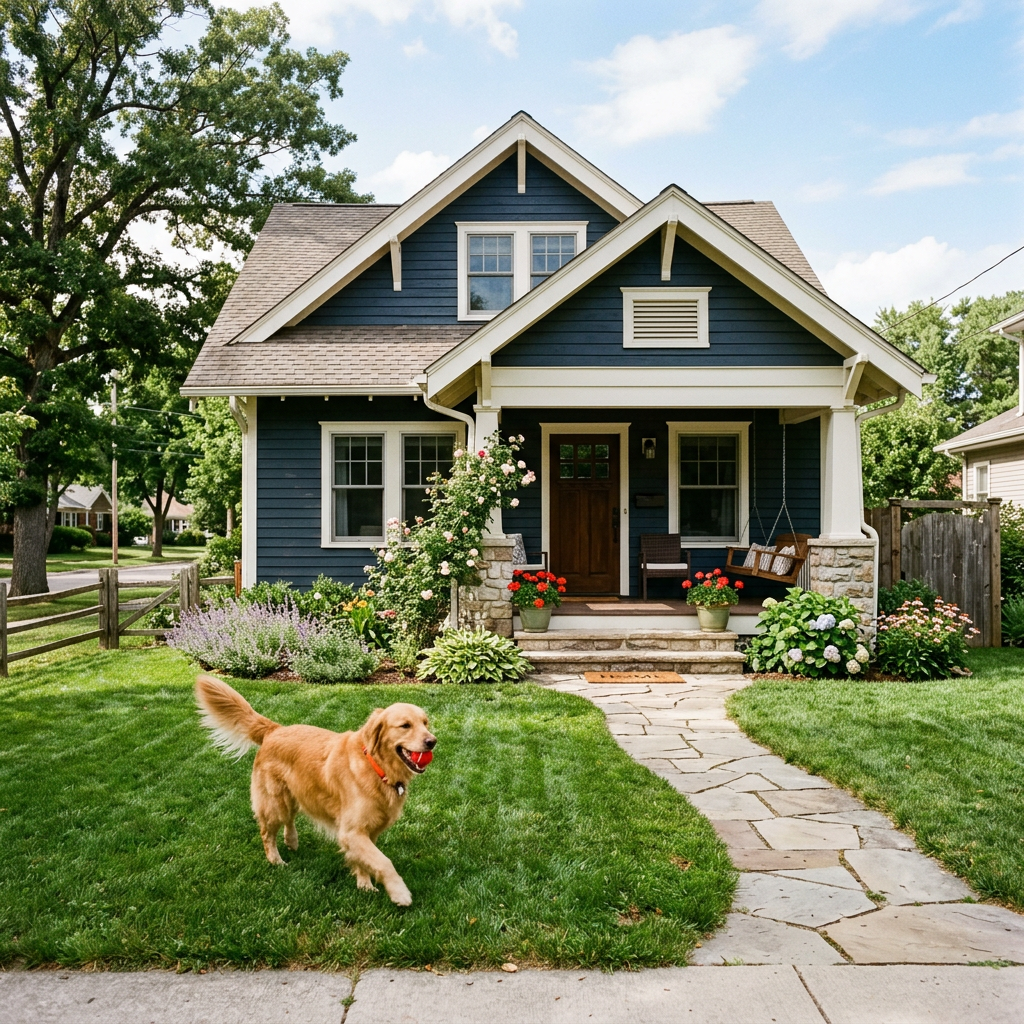


Sharing your home with a pet changes the way you maintain it, sometimes in places you wouldn’t expect. Fur travels into vents, claws meet flooring, muddy paws find freshly cleaned surfaces, and the washing machine gets a workout after one particularly messy afternoon outside. None of this means your house has to look like it’s losing a long battle with your dog or cat. You just need to catch the small stuff before it becomes expensive, smelly, or frustrating. A few maintenance habits can make that surprisingly manageable. Here’s where you can start.
Pet hair has an impressive ability to turn up everywhere, including places your vacuum can’t reach. Your heating and cooling system deserves extra attention because hair and dander can collect around returns and filters, particularly during heavy shedding seasons. Get into the habit of checking your filter rather than assuming it can wait until some arbitrary date on the calendar. Vacuum around registers and return vents while you’re doing the floors, too, since loose fur tends to gather there. If airflow suddenly seems weaker or your system sounds different, don’t shrug it off for three months and hope for the best. Paying attention to those small changes can help you spot a maintenance problem while it’s still relatively small.
You may barely notice the first few scratches your pet leaves behind, especially on a busy floor with plenty of character already. Then sunlight hits the room at the right angle and, well, suddenly you see all of them. Keeping nails trimmed helps, but your floors still need regular attention in the places where your pet runs, jumps, eats, and waits enthusiastically at the door. Check high traffic areas for scratches, loose boards, worn finishes, or moisture that has worked its way into seams. Rugs and runners can take some punishment in favorite sprinting zones while also giving older pets better traction. Deal with damaged spots early, because a minor surface problem is usually much less irritating than a floor repair you’ve ignored for a year.
Even a perfectly house trained pet can have an accident when they’re sick, frightened, young, aging, or simply having a bad day. The trick is resisting the temptation to clean only what you can see. Moisture can work beneath carpet, into padding, along baseboards, and inside the seams of upholstered furniture, leaving an odor that seems to mysteriously return later. Blot fresh accidents quickly, follow the cleaning instructions for the material you’re treating, and check underneath whenever liquid may have soaked through. It’s worth periodically inspecting your pet’s favorite corners even when nothing looks obviously wrong. Your nose will often notice a lingering problem before your eyes do. Quick cleanup protects more than appearances; it can spare you from discovering much later that a small accident became a stubborn flooring or upholstery problem.
Pets add another moving part to an already busy household, so having a plan for unexpected home repairs can take some pressure off when something stops working. A home warranty may provide another layer of protection for eligible systems and appliances when covered breakdowns occur, which can be useful in a home where equipment already works hard. Think about your HVAC system during shedding season, for example, when pet hair and dander can put extra demands on filters and routine upkeep becomes particularly important. An annual renewable home warranty contract can cover eligible breakdowns to heating, cooling, electrical, and plumbing systems, along with covered appliance repairs, depending on the terms of the plan. Before choosing one, read a guide to home warranties and pay attention to coverage limits, exclusions, service requirements, and exactly which systems or appliances are included. That gives you a clearer picture of where a warranty fits alongside regular maintenance, emergency savings, and the everyday realities of keeping a pet friendly home running.
Pet bedding can go from reasonably clean to “this needs washing immediately” with astonishing speed. Before tossing a fur covered blanket straight into the machine, remove as much loose hair as you reasonably can with a vacuum, brush, or lint remover. Otherwise, all that hair has to go somewhere once water starts moving through the load, and your washer gets stuck dealing with it. Check the machine after particularly furry loads and wipe away hair left around the drum, door seal, or other accessible areas. Your dryer deserves attention as well, especially the lint screen when you’re drying pet blankets, washable covers, or towels used after baths. This takes a few extra minutes, but that’s easier than wondering why an appliance suddenly isn’t working as well as it used to.
Pet proofing shouldn’t end once your puppy stops chewing everything within reach. Get down closer to your pet’s level occasionally and look around, because you’ll notice things that disappear from your normal line of sight. A loose electrical cord, damaged screen, wobbly gate, cracked cabinet latch, or small gap behind furniture may be boring to you and extremely interesting to an animal with time to investigate. Pay special attention after rearranging furniture, installing electronics, renovating a room, or bringing home something new. Cats can reach places you thought were irrelevant, while determined dogs have a gift for making supposedly secure barriers look optimistic. A quick inspection every so often can catch both household damage and potential hazards before either gets worse.
Your pet doesn’t stop affecting home maintenance at the back door. Repeated bathroom trips, digging, running the same route along a fence, and enthusiastic play can gradually create bare patches and worn sections in the yard. Walk the property occasionally instead of seeing it only from the patio, paying attention to holes, damaged fencing, loose gate hardware, exposed irrigation parts, and areas where the lawn is struggling. If your dog repeatedly uses one bathroom spot, dealing with that concentrated wear early can be easier than rehabilitating a much larger patch later. Check for anything sharp or newly exposed after storms and yard work as well, since curious paws tend to find what people miss. The goal isn’t a flawless lawn; it’s an outdoor space that remains usable, secure, and reasonably easy to maintain.
Living with pets means your maintenance calendar won’t look exactly like the one for a pet free household. Some jobs need more frequent attention, while others simply require you to notice different warning signs. Hair around a vent, scratches near a doorway, a damp corner of carpet, or a suspiciously battered section of lawn can all tell you something before a larger problem develops. Build those observations into chores you’re already doing instead of creating an exhausting second maintenance routine.
Guest Blogger,
Susan Peterson
EasytoLovePets.com
Give Your HVAC a Little More Attention
Watch What Claws Are Doing to Your Floors
Treat Accidents Like Maintenance Problems
Plan for the Repairs You Can't Predict
Look at Your House From Paw Level


