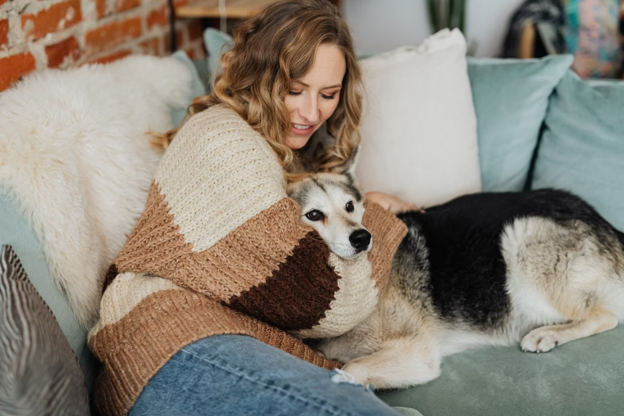


For busy pet owners juggling moves, new jobs, schedule shifts, or changes in who’s home, household transitions can bring a surprising challenge: a pet that suddenly seems “off.” The same life changes affecting pets that feel manageable to people can register as a big loss of predictability, leading to pet routines disruption and shaky pet emotional well-being. That’s when new behaviors show up, clinginess, hiding, restlessness, or accidents, and it’s easy to misread them as stubbornness instead of stress. Recognizing which everyday changes can rattle a pet is the first step to keeping home feeling safe again.
When your home changes, your pet’s internal “map” of the day can fall apart. Meals shift, walks happen at odd times, favorite people come and go, and even furniture smells different. Those routine breaks can fuel pet anxiety because pets rely on repetition to predict what happens next and to feel safe.
This matters because the behavior you see is often your pet coping, not acting out. Once you connect the household change to the stress factor underneath it, you can respond with steadier cues and kinder expectations. Many people already notice the emotional impact pets have, and aware pets reduce anxiety is a reminder that calm works both ways.
Imagine you start a new work schedule and evenings get chaotic. Your dog eats later, playtime disappears, and bedtime changes, so pacing or barking becomes their way of asking for clarity. That’s where stable pet-care anchors can support you through big shifts, including an at-home healthcare degree.
When routines shift, pets often feel it first, so the goal is to create predictability even while your own life is changing fast. If you’re making a career move, earning an online degree can give you more control over your time: flexible scheduling and at-home learning make it easier to stay present, keep days steadier, and avoid sudden disruptions that can unsettle your pet. And if you’re drawn to caregiving work, a healthcare degree can also be a meaningful way to make a positive impact on the health of individuals and families. If you want to compare different online healthcare degree program structures and options, you can get the layout here.
Big changes can make pets feel like the rules of their world suddenly shifted. These calm-down moves keep the essentials steady while you introduce new things in a way your pet can actually handle.
Q: What if my pet suddenly starts acting “bad” after a move or new routine?
A: That is often stress, not spite. Tighten management for a week or two by using gates, leashes indoors, and simpler setups so your pet can succeed. Then reward the calm behaviors you want to see and keep training sessions very short.
Q: How can I tell normal stress from separation anxiety?
A: Watch for patterns that cluster around you leaving, like pacing, drooling, vocalizing, or accidents only when alone. Because separation anxiety in dogs can be common and misunderstood, consider videoing your pet when you step out for 10 to 20 minutes. Bring that info to your vet or a qualified trainer for a targeted plan.
Q: When should I worry about my pet refusing food during change?
A: A skipped meal can happen, but refusal for more than 24 hours or any vomiting, diarrhea, or lethargy deserves a vet call. In the meantime, offer smaller portions, keep feeding times consistent, and use a quiet spot away from activity.
Q: Can I use treats if my pet is already overweight?
A: Yes, just make them tiny and count them as part of the day’s calories. Use low calorie options like kibble from their meal, or break soft treats into pea sized pieces. You can also reward with sniff time, gentle play, or a favorite chew.
Q: Should I ask for an ESA or service animal letter to help with housing stress?
A: Only if it truly fits your situation and needs. It helps to understand that assistance animals can include emotional support animals and service animals with specific roles, not simply pets under pressure. If you think you qualify, talk with a licensed healthcare professional and review your housing policy carefully.
Big changes can leave pets feeling off-balance, and it’s tough to watch anxiety or old behaviors pop up when the household shifts. The most helpful approach is proactive pet care rooted in empathy for pets during change: protect what feels familiar, respond consistently, and focus on steady support over perfect fixes. When that mindset becomes supportive pet ownership, stress signals tend to soften and confidence returns, making it easier to keep encouraging pet well-being through the messy middle. When life changes, a small routine is your pet’s safest anchor.
Guest Blogger,
Susan Peterson
EasytoLovePets.com
How pets can be thrown "off" with routine changes.
Make a plan for a new schedule.
Use 7 calm-down techniques.
Common questions owners have.
How to create calm


